U.S. House of Representatives — Wisconsin District 8Certified ballot
Tony Wied
U.S. Representative
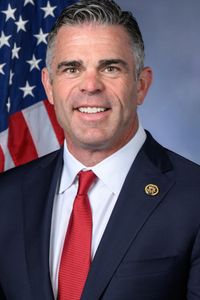
Photo: Ballotpedia
Is Tony Wied on the November 3 ballot?
Tony Wied is on the November 3, 2026 ballot for U.S. House of Representatives — Wisconsin District 8, as the incumbent. One other candidate is on the ballot.
As printed · ballot order
- Tony Wied· this pageRepublicanIncumbent
- Rick CrossonDemocratic
ⓘ What do the party and ideology labels mean?
On the ballot, partisan candidates run under a party — in Wisconsin almost always Democratic or Republican, with the occasional third-party or independent candidate. Words like progressive, conservative, libertarian, or democratic socialist are labels people use to describe themselves, not separate parties on the ballot. A label is a starting point; each candidate's sourced positions show where they actually stand.
How we do this →Who is Tony Wied?
Incumbent U.S. Representative for WI-8 (since a 2024 special election); businessman, founder of the Dino Stop convenience stores
Where does Tony Wied stand on the issues?
Wied emphasizes reducing regulations for Wisconsin farmers and agricultural producers and reducing the size of government.
Position sources (1)
- campaignTony Wied
Wied advocates for reducing government involvement to expand American energy production to lower costs and support national security.
Position sources (1)
- campaignTony Wied
Wied supports securing the southern border, finishing the border wall, reinstituting the Remain in Mexico policy, and funding border agents.
Position sources (1)
- campaignTony Wied
Wied supports a strong military and eliminating threats of terrorism within the country's borders.
Position sources (1)
- campaignTony Wied
ⓘ What do these stance labels mean?
Each label describes how a candidate has spoken about an issue, drawn from a sourced statement — not our opinion. Support and oppose mean they've clearly taken that side. Mixed means their statements point both ways. Evolving means their stated position has changed over time. Unclear means we couldn't find a clear public statement. Every label links to the source it came from.
How we do this →ⓘ Sourced position vs. campaign claim — what's the difference?
A sourced position is something we tied to a specific public statement, with a link. A campaign claim is what a candidate's own site says about their priorities. We keep them separate so you can see the difference between a documented stance and a self-description.
How we do this →ⓘ What is a voting record showing me?
A roll-call vote is a recorded yes/no vote in the legislature; 'aye' means yes and 'no' means no. A 'deciding vote' is one that changed the outcome. These are the candidate's actual recorded votes, linked to the official record.
How we do this →Voting record
Recorded floor votes Tony Wied cast in the U.S. House of Representatives, newest first, across the 119th Congress. Every entry links to its official roll call. We don’t rate or score votes.
Covers recorded votes on bills, resolutions and amendments. Votes without a yes/no position — electing a Speaker, quorum calls — aren’t included.
669
Recorded votes
536
Voted yes
125
Voted no
99%
Participation
8 did not vote
Wisconsin Watch’s questionnaire
Wisconsin Watch, a nonprofit newsroom, asked candidates for this office the same questions.
Answered 5 questions. Read Tony Wied’s answers on Wisconsin Watch
Ask Voter Help: “What did Tony Wied tell Wisconsin Watch?” →
Source: Wisconsin Watch 2026 Voter Guide, through Voter Guide Commons. That copy was last updated August 20, 2026; BadgerBrief checked it October 13, 2026. Whether a candidate answered is as the guide reports it.
In their own words
“The national debt is out of control. I will prioritize cutting spending in government as your Congressman.”
“We need to get the government out of the way to unleash American energy resources to reduce costs here at home and help ensure our national security interests abroad.”
“Our country's national security depends on a powerful military. I will fight to keep our military strong and eliminate any threat of terrorism inside of our borders.”
ⓘ How do I read these campaign-finance numbers?
Individual contributions come from people; PAC (political action committee) money comes from organized groups. Cash-on-hand is what a campaign has left to spend. Money shows who is backing a campaign — it is not an endorsement by us, and more money does not mean a candidate is better.
How we do this →Political ads about Tony Wied
Ads a BadgerBrief editor confirmed are about Tony Wied, from the Meta Ad Library. Spend is the range Meta discloses.
1 ad from 1 sponsor
- $0–$99
The Badger Project
Attack on Tony Wied1 adSee the 1 ad
U.S. Rep. Tony Wied, a millionaire who represents Wisconsin’s northeastern district, reported at least $1.3 million in trades in February alone. Experts say it’s only a matter of time before his stock trading becomes a problem.
$0–$99Paid for by Center For Community Stewardship, Inc.View ad on Meta
How this page was made
- Who made this
- Tarik Moody, in Milwaukee, independently. No ads, and no party, campaign or PAC money. Nobody has editorial input. About BadgerBrief
- How facts get in
- Ballot names come from the Wisconsin Elections Commission’s certified list, printed as you will see them. Votes are read from official roll calls; money from the Ethics Commission and the FEC. Positions and quotes appear only after a person checks each one against its source. Methodology
- Sources
- Last updated
- Not covered
- BadgerBrief does not rate, endorse or predict. Where a fact could not be sourced it is left out, not guessed. Local questions and city or village contests are on MyVote ↗.